
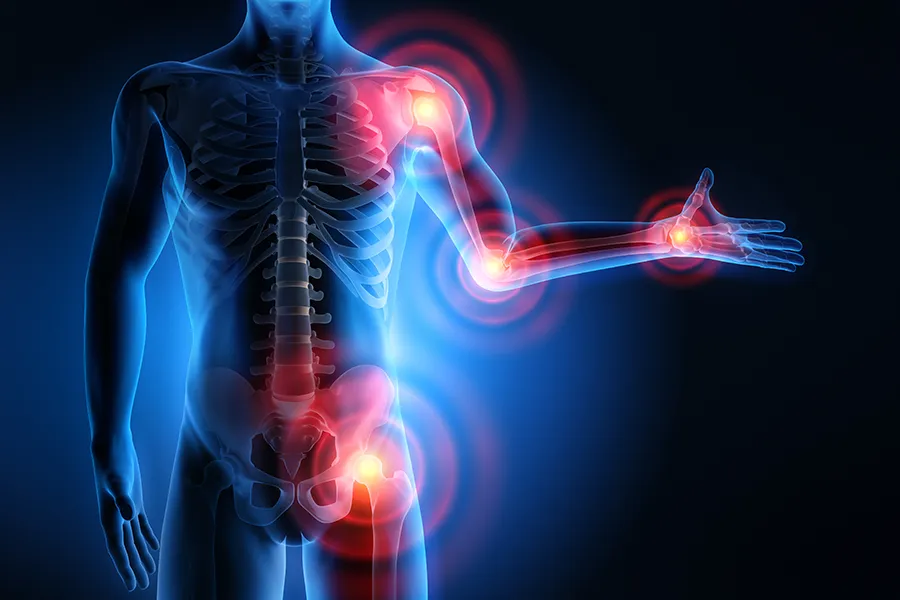
Mokena, Illinois regenerative medicine providers at Beyer Functional Wellness offer platelet-rich plasma injections for joint pain using an integrative and regenerative approach providing Mokena patients with the highest level of cutting-edge care.
Studies in recent years suggest that platelet-rich plasma therapy may help reduce inflammation and improve function in patients suffering from joint degeneration. Mokena PRP therapy specialists at Beyer Functional Wellness treat chronic joint pain, inflammation, stiffness, limited range of motion and activity-related discomfort using a synergistic combination of integrative and regenerative medicine treatments in the Mokena and surrounding Will, Cook, and DuPage County areas. Regenerative medicine has emerged as a promising approach for managing chronic joint issues.
For patients exploring PRP for Joint Pain, this treatment offers a non-surgical option that targets inflammation and promotes healing. Based on recent studies, PRP therapy may improve mobility, reduce discomfort, and support joint function. Although not yet a standard treatment, growing evidence supports its consideration in personalized wellness plans. Consider discussing PRP therapy with Stephen Beyer, DC to see if this innovative regenerative medicine approach could support your joint health goals.
Learn more about PRP for Joint Pain by scheduling an educational consultation. Call Stephen Beyer, DC at (708) 575-9548 today!
Stephen Beyer, DC offers a Regenerative Approach to Treating Joint Pain
Discover how integrative medicine specialists at Beyer Functional Wellness treat Mokena, Illinois patients using advanced regenerative treatments combined with proven traditional treatments to create personalized integrative treatment plans for each individuals specific needs and goals.
Exploring Regenerative Medicine for Joint Pain
PRP therapy works by concentrating a patient’s platelets, which are rich in growth factors, and injecting them directly into the affected joint. These growth factors stimulate tissue repair processes, decrease inflammation, and may enhance the body’s natural healing mechanisms. The treatment and regenerative medicine approaches discussed are based on early-stage research and have not yet been approved by the FDA.
Stephen Beyer, DC believes it is important that all Mokena patients understand that while the results are very promising, PRP for Joint Pain is cutting-edge and is not yet considered a mainstream treatment.
Benefits of Stephen Beyer, DC‘s Integrative Approach
Supports Natural Tissue Repair
Ongoing studies suggest that PRP may stimulate the body’s intrinsic healing response, which is especially relevant for patients seeking a regenerative solution.
Minimally Invasive Process
PRP therapy involves a simple blood draw and injection, offering patients an option with low procedural risk and no significant downtime.
Reduced Reliance on Steroids
For patients managing chronic joint issues, PRP may provide relief without the long-term use of corticosteroids.
Potential Delay in Surgery
Some findings suggest PRP could postpone or reduce the need for joint replacement by addressing inflammation and degeneration early.
Improved Joint Function
Patients receiving PRP therapy have reported enhanced range of motion and daily activity levels in ongoing clinical evaluations.
Reduced Inflammation
Anti-inflammatory effects of PRP are being studied for their ability to relieve joint swelling and stiffness over time.
Frequently Asked Questions
How soon can I expect results from PRP therapy?
Most patients begin noticing improvement within 2 to 6 weeks, though timelines vary depending on the joint condition and overall health.
Is PRP therapy approved by the FDA?
PRP therapy has not been approved by the FDA as a definitive treatment. It is considered investigational and is used off-label under medical supervision.
How many PRP sessions will I need?
Treatment frequency depends on the condition severity. Some patients benefit from a single injection while others may require multiple sessions.
Are there risks associated with PRP injections?
Since PRP uses the patient’s own blood, risks are minimal. Some may experience temporary swelling or discomfort at the injection site.
Can PRP therapy replace joint surgery?
PRP is not a substitute for surgery but may delay or reduce the need for it in early stages of joint degeneration.
Who is not a candidate for PRP?
Individuals with bleeding disorders, certain infections, or advanced joint damage may not be ideal candidates. A thorough consultation is necessary.

Are you curious about the latest regenerative options being studied for relieving joint pain and improving mobility?
Call Stephen Beyer, DC at (708) 575-9548 to discuss the latest research on prp for joint pain and its exciting potential today!

Non-Surgical Solutions for Chronic Pain & Joint Health
When joint pain, tendon injuries, or mobility problems persist despite therapy or rest, regenerative medicine can offer the healing boost your body needs. At Beyer Functional Wellness, Dr. Stephen Beyer provides non-surgical options like Platelet-Rich Plasma (PRP), Alpha-2-Macroglobulin (A2M), and stem cell therapies to support faster, more complete tissue recovery. These treatments use your body’s own healing power to reduce inflammation, improve function, and delay or avoid more invasive procedures. Combined with specialized chiropractic care and functional medicine support, Dr. Beyer’s regenerative approach helps patients reclaim movement, reduce pain, and get back to doing what they love, with less downtime and fewer medications.
We offer a comprehensive approach utilizing Age Management and Regenerative Medicine treatments including:
What Stephen Beyer, DC‘s Patients Say
“I recently tried the Regenerative Medicine portion of their practice… I had 2 PRP and 1 stem cell injection in my hip… My back and hip issues have greatly improved. I almost thought it was a miracle!”
— Maryanne
